
If you’ve been eyeing a career in fashion, you’ve probably noticed something: the industry doesn’t look the way it did even five years ago. Runway shows still happen, magazines still get printed, but behind the scenes, the job market has shifted in ways that catch a lot of newcomers off guard.
Maybe you’re a fresh graduate wondering if a fashion design degree still opens doors. Maybe you’re a marketing professional thinking about switching lanes into fashion e-commerce. Or maybe you’re already in the industry and trying to figure out where things are headed next. Whatever brought you here, this guide breaks down the real fashion job market trends shaping hiring, salaries, and career paths right now — and what you can actually do about it.
Why the Fashion Job Market Is Changing So Fast
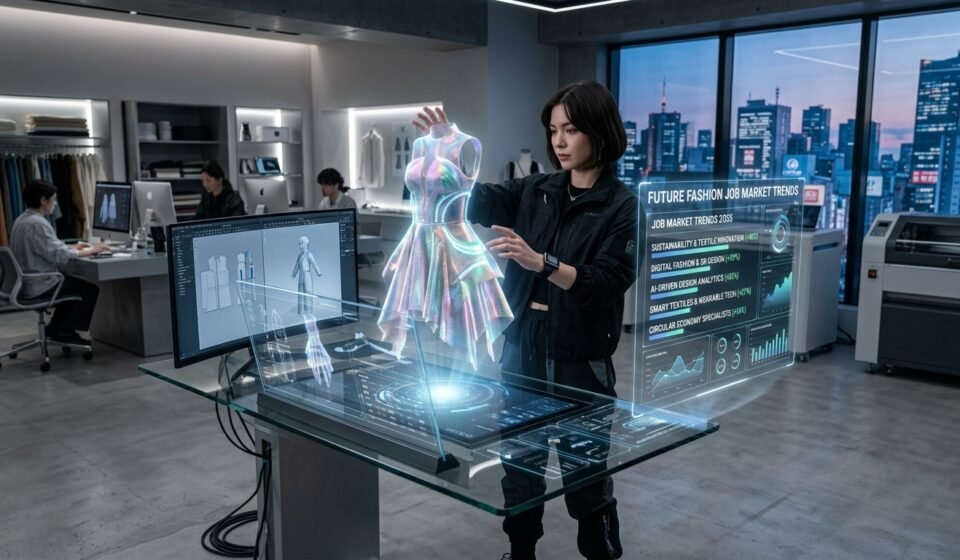
A few forces are reshaping fashion careers at once: e-commerce growth, automation, sustainability pressure, and a generation of consumers who shop very differently than their parents did. Brands are no longer just competing on design — they’re competing on speed, data, and digital presence. That means the skill sets companies are hiring for have expanded well beyond sketching and sewing.
This doesn’t mean creative roles are disappearing. It means they’re being joined by a growing list of hybrid roles that blend fashion sensibility with tech, marketing, and analytics skills.
Remote and Hybrid Fashion Jobs Are Here to Stay
One of the clearest fashion job market trends is the normalization of remote work, especially in roles that don’t require hands-on garment production.
Roles that have gone remote or hybrid:
- Fashion copywriting and content creation
- E-commerce merchandising and product management
- Social media and influencer marketing
- Trend forecasting and research
- Fashion tech and app-based styling services
Design, patternmaking, and in-store retail roles still lean heavily on-site, but even design teams are increasingly using cloud-based tools like 3D sampling software to collaborate across time zones. If you’re job hunting, don’t assume fashion means relocating to New York, Milan, or Paris anymore — plenty of brands now hire fully remote creative and marketing talent.
Sustainability Roles Are One of the Fastest-Growing Categories
Consumer demand for ethical and sustainable fashion has pushed brands to create entirely new job titles that barely existed a decade ago.
Emerging sustainability-focused roles include:
- Sustainability manager or director
- Circular design specialist
- Supply chain transparency analyst
- Materials researcher (focused on recycled or bio-based fabrics)
- ESG (Environmental, Social, Governance) reporting coordinator
For anyone with a background in environmental science, supply chain management, or even chemistry, this is one of the more accessible entry points into fashion, since these roles often value subject-matter expertise over a traditional fashion degree.
Fashion Tech and Digital Skills Are Now Essential
It’s hard to find a fashion job posting today that doesn’t mention some kind of digital tool or platform. This is arguably the biggest shift in the fashion job market trends conversation.
In-demand digital skills for fashion careers:
- E-commerce platforms (Shopify, Salesforce Commerce Cloud)
- Data analytics for retail (Google Analytics, Tableau)
- 3D design and virtual sampling (CLO3D, Browzwear)
- AI-assisted trend forecasting tools
- Social commerce and livestream shopping platforms
Even traditional roles like buying and merchandising now require comfort with data dashboards, since decisions that used to be based on gut instinct are increasingly backed by real-time sales data.
The Rise of Freelance and Project-Based Fashion Work
Full-time, single-employer careers are no longer the only path in fashion. Many professionals — stylists, photographers, pattern makers, and content creators — now build income through a mix of freelance projects rather than one salaried role.
This shift brings both opportunity and risk:
Advantages:
- More flexibility and creative control
- Ability to work with multiple brands
- Lower barrier to entry for building a portfolio
Challenges:
- Inconsistent income
- No built-in benefits like health insurance
- Requires strong self-marketing and networking skills
Freelance platforms and social media have made it easier than ever for fashion professionals to find clients directly, which is part of why this trend keeps accelerating.
Retail Roles Are Evolving, Not Disappearing
There’s a common myth that online shopping has killed retail fashion jobs. In reality, in-store roles are evolving rather than vanishing. Brands are investing in “experience-driven” retail — think personal styling sessions, in-store events, and staff trained to blend online and offline service.
What retail hiring managers look for now:
- Comfort using point-of-sale and inventory apps
- Ability to support omnichannel customer experiences (buy online, pick up in-store)
- Strong product knowledge paired with sales skills
- Social media savvy, since many store associates now contribute to brand content
If you enjoy face-to-face customer interaction but want to stay competitive, building basic digital retail skills alongside your styling or sales experience will make you a stronger candidate.
Salary Trends: What to Realistically Expect
Fashion salaries vary widely by role, city, and company size, but a few patterns are consistent across the current job market:
- Entry-level roles (retail associate, junior merchandiser, design assistant) typically start modestly and rely on growth through experience
- Digital and tech-adjacent fashion roles (e-commerce, data-driven merchandising) tend to command higher starting salaries than purely creative entry roles
- Freelancers with a strong portfolio and client base can often out-earn salaried peers, but with less predictability
- Sustainability and supply chain specialists are seeing above-average salary growth due to high demand and limited talent supply
Rather than fixating on average salary figures, it’s more useful to research pay for the specific role and city you’re targeting, since fashion hubs like New York, London, and Los Angeles pay very differently than smaller regional markets.
How to Position Yourself for These Trends
Given everything above, here’s how job seekers can realistically adapt:
- Build a hybrid skill set. Pair your creative training with at least one technical skill — data analysis, e-commerce platforms, or basic design software.
- Create a portfolio that shows range. Include both creative work and any project involving digital tools, sustainability initiatives, or measurable results.
- Don’t dismiss freelance experience. Treat freelance or project-based work as legitimate career-building, not a placeholder until a “real” job comes along.
- Follow sustainability conversations. Even if you’re not applying for a sustainability-specific role, understanding ESG basics makes you more competitive across the board.
- Network beyond your city. Remote work has widened the talent pool, which means opportunities have widened too — don’t limit your search geographically.
Frequently Asked Questions
Is the fashion industry a good career choice right now? Yes, though it depends on the specific path. Roles blending fashion with technology, sustainability, or e-commerce are seeing stronger and more stable growth than purely traditional creative-only paths.
What fashion jobs are in the highest demand? Currently, e-commerce merchandising, sustainability roles, fashion tech positions, and digital marketing roles are among the fastest-growing categories in the fashion job market.
Do I need a fashion degree to work in the industry? Not always. While design and technical roles often benefit from formal training, many marketing, merchandising, tech, and sustainability roles value relevant experience and transferable skills just as much as a fashion-specific degree.
Are fashion jobs mostly freelance now? Not entirely, but freelance and project-based work has grown significantly, especially in styling, content creation, and photography. Many professionals now combine freelance projects with part-time or contract roles.
How can I break into fashion without industry experience? Start by building a portfolio through freelance projects, internships, or personal projects that demonstrate relevant skills. Highlighting any crossover skills — like social media management, data analysis, or sustainability knowledge — can also help you stand out.