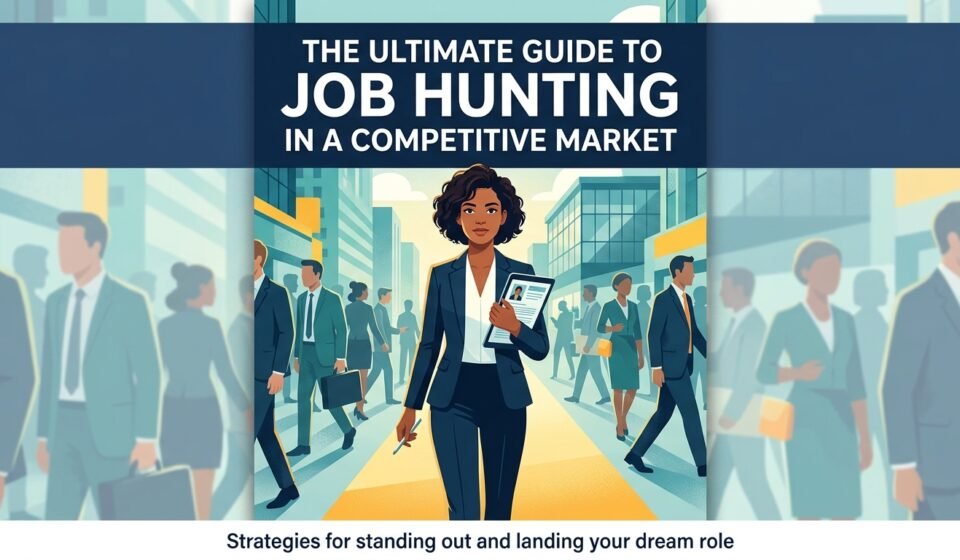

Looking for a job right now can feel like shouting into a crowded room. You send out application after application, and most of the time, you hear nothing back. If that sounds familiar, you’re not imagining things — the job market really has gotten more competitive, with hundreds of applicants sometimes competing for a single opening.
The good news is that a scattershot approach isn’t your only option. With the right job search tips and a clear strategy, you can stand out even when the odds seem stacked against you. In this guide, we’ll walk through everything from building a resume that gets past filtering software to nailing your interview and negotiating a fair offer. Whether you’re searching for your first job or making a career change, you’ll walk away with a practical plan you can start using today.
Why the Job Market Feels So Competitive Right Now
Before diving into tactics, it helps to understand what you’re up against. Remote work has opened up local job postings to applicants from across the country — or the world. At the same time, many companies have slowed hiring or added extra rounds of screening to reduce risk.
None of this means finding a job is impossible. It just means the old approach of applying to as many postings as possible and waiting rarely works anymore. Employers are looking for candidates who clearly show they understand the role and can prove it. That’s where a more targeted strategy comes in.
Job Search Tips: Building a Strategy Before You Apply
One of the biggest mistakes job seekers make is applying before they’ve done any groundwork. A little preparation goes a long way toward getting real results.
Define What You’re Actually Looking For
Take time to write down your must-haves: salary range, work arrangement (remote, hybrid, or in-office), industry, and the type of role you want next. This isn’t about being picky — it’s about applying with intention so you’re not wasting energy on jobs that were never a good fit to begin with.
Research Companies, Not Just Job Titles
Instead of only searching job titles, make a list of companies you’d genuinely like to work for. Follow them on LinkedIn, read their recent news, and get a feel for their culture. When you apply to a company you understand, your application and interview answers naturally sound more informed and genuine.
Set a Weekly Job Search Routine
Treat your search like a part-time job. Block out specific hours for searching, applying, and networking rather than doing it randomly. Many successful job seekers aim for a mix of quality applications (5-10 well-tailored ones per week) rather than mass-applying to dozens of postings with the same generic resume.
How to Write a Resume That Gets Noticed
Your resume is often the very first impression a hiring manager forms of you, so it’s worth getting right.
Tailor It to Each Job
Generic resumes rarely make it past the first round. Read the job description carefully and mirror the language it uses for skills and responsibilities. If a posting emphasizes “project management” and your resume says “coordinated initiatives,” update the wording to match.
Make It ATS-Friendly
Many companies use Applicant Tracking Systems (ATS) to scan resumes for keywords before a human ever sees them. To improve your chances:
- Use standard section headings like “Experience” and “Education”
- Avoid tables, columns, or graphics that confuse scanning software
- Include keywords from the job posting naturally throughout your resume
- Save your file as a .docx or PDF, whichever the application specifies
Lead With Results, Not Just Duties
Instead of listing tasks, quantify your accomplishments. Compare these two lines:
- Weak: “Responsible for managing social media accounts.”
- Strong: “Grew Instagram engagement by 42% over six months by launching a weekly content calendar.”
The second version gives a hiring manager something concrete to remember.
Writing Cover Letters That Actually Get Read
Not every application requires a cover letter, but when one is requested, don’t skip it or default to a template that could apply to any job.
A strong cover letter should:
- Open with a specific reason you’re interested in this company
- Connect one or two of your strongest experiences directly to the role’s needs
- Close with a confident, simple call to action, such as requesting an interview
Keep it under one page. Hiring managers are busy, and a concise letter respects their time while still showcasing your writing skills.
Using Networking to Open Doors
It’s often said that a large share of jobs are filled through referrals and personal connections rather than public postings, and there’s a lot of truth to it. Even in a tough market, people still prefer hiring someone who comes recommended.
Reconnect With Your Existing Network
Reach out to former colleagues, classmates, and mentors. A simple message like, “I’m exploring new opportunities in [industry] — would you be open to a quick call to share any advice?” often leads to helpful conversations, and sometimes direct referrals.
Use LinkedIn Strategically
Update your LinkedIn profile so it matches your resume, then start engaging authentically: commenting on posts in your field, sharing relevant articles, and reaching out to people at companies you admire. Recruiters actively search LinkedIn, so an updated, keyword-rich profile can bring opportunities to you.
Attend Industry Events, Even Virtual Ones
Webinars, local meetups, and virtual conferences are low-pressure ways to meet people in your field. You don’t need to “sell yourself” aggressively — just show genuine interest in the conversation, and exchange contact information naturally.
Acing the Interview Process
Getting the interview is a huge step, but it’s only half the battle.
Prepare for Common Interview Questions
While every interview is different, certain questions come up again and again:
- “Tell me about yourself.”
- “Why do you want to work here?”
- “Describe a challenge you faced and how you handled it.”
Prepare two or three specific stories from your work history that you can adapt to answer behavioral questions like these. The STAR method (Situation, Task, Action, Result) is a simple way to structure your answers clearly.
Ask Thoughtful Questions of Your Own
Interviews are a two-way conversation. Asking questions like “What does success look like in this role after six months?” shows genuine interest and helps you evaluate whether the job is right for you too.
Follow Up With a Thank-You Note
A short, genuine thank-you email sent within 24 hours can help you stay top of mind. Reference something specific from the conversation rather than sending a generic message.
Negotiating Your Job Offer With Confidence
Many candidates accept the first offer out of fear of seeming difficult, but most employers expect some negotiation.
- Research typical salary ranges for the role and your area before your interviews even begin
- When you receive an offer, express enthusiasm first, then ask if there’s flexibility on salary or benefits
- Consider negotiating beyond base pay too — remote work flexibility, extra vacation days, or a signing bonus can all be on the table
Remember, a reasonable counteroffer rarely costs you the job. Employers expect it, and it shows you know your worth.
Common Job Search Mistakes to Avoid
Even motivated job seekers fall into these traps:
- Applying with the same resume everywhere. Tailoring takes more time but dramatically improves response rates.
- Neglecting your online presence. Employers often check LinkedIn or search your name, so keep your profiles current and professional.
- Going silent after rejection. A polite follow-up asking for feedback can sometimes open doors for future roles at the same company.
- Ignoring smaller companies. Startups and mid-sized businesses often have less competition and faster hiring processes than large corporations.
Frequently Asked Questions
How long does a job search typically take in a competitive market? It varies widely by industry and role, but many job seekers should expect the process to take anywhere from a few weeks to a few months. Staying consistent with applications and networking generally shortens this timeline.
How many jobs should I apply to per week? Quality matters more than quantity. Aiming for 5 to 10 well-tailored applications per week, combined with active networking, tends to produce better results than mass-applying to dozens of generic submissions.
Should I include a cover letter if it’s optional? Yes, when possible. An optional cover letter is a chance to stand out, especially if the role is competitive.
Is it okay to apply for jobs I’m not 100% qualified for? Yes. Many hiring managers expect candidates to meet only 60-70% of listed qualifications. If you meet most of the core requirements, it’s worth applying.
What’s the biggest factor in getting hired in a competitive job market? Beyond qualifications, hiring managers consistently value candidates who show clear communication, genuine interest in the company, and a resume tailored specifically to the role.